Skip to content
The Think Tank Post
Thursday, 8 October 2026

What the world's policy institutions are actually arguing about.

6,007 publications · 753 institutions · 22 open questions

IOpen questions

All questions →
Olnnu · CC BY-SA 4.0
01Alliances and deterrence

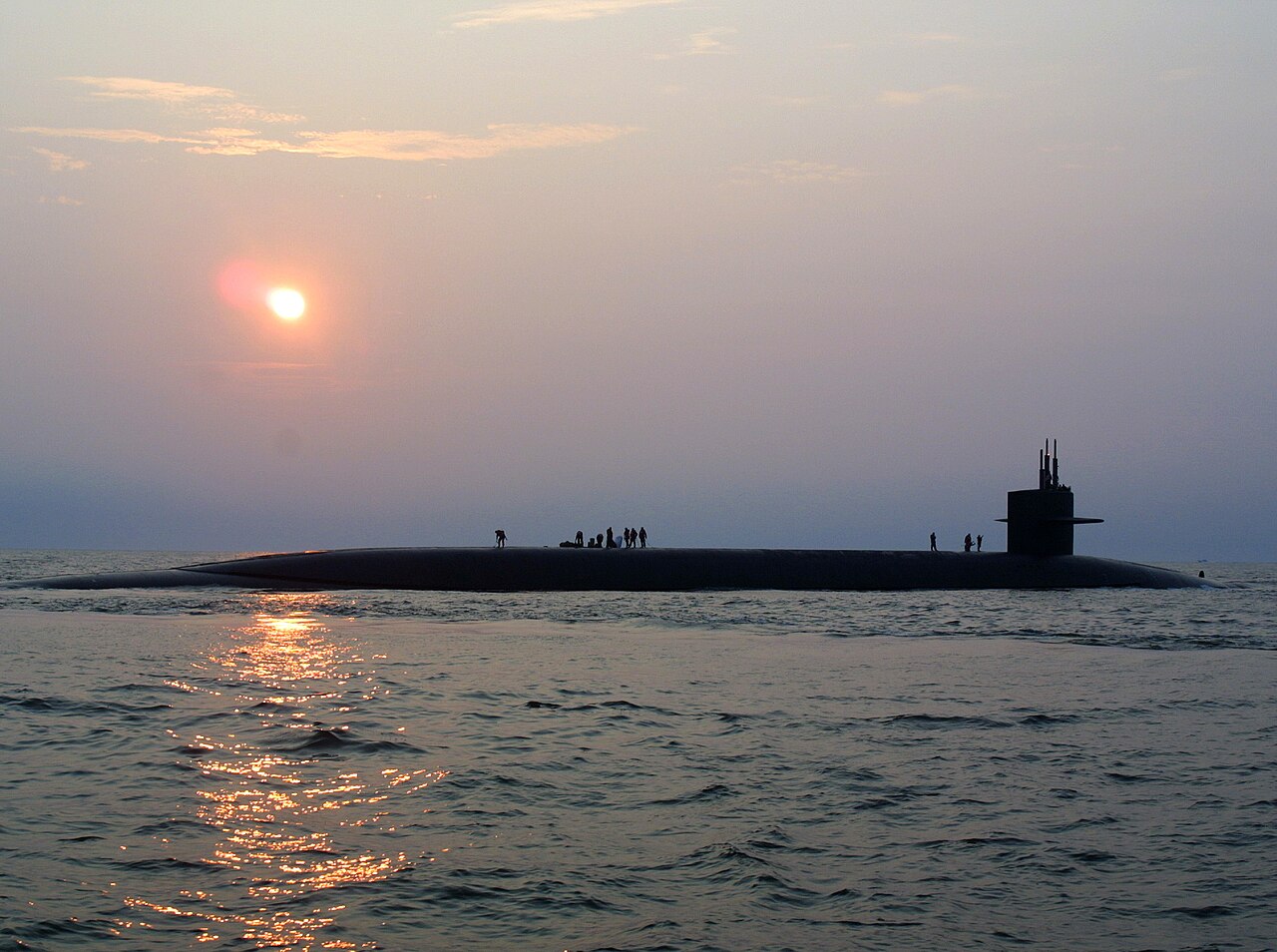
Is NATO's deterrent still credible against Russia?

Deterrence works only if it is believed. The disagreement runs from force posture on the eastern flank to whether Article 5 would be invoked at all, and institutions reach different conclusions from much the same evidence.

+18

26 institutions · 40 publications

Reb42 · CC BY 3.0
02Industrial policy and supply chains

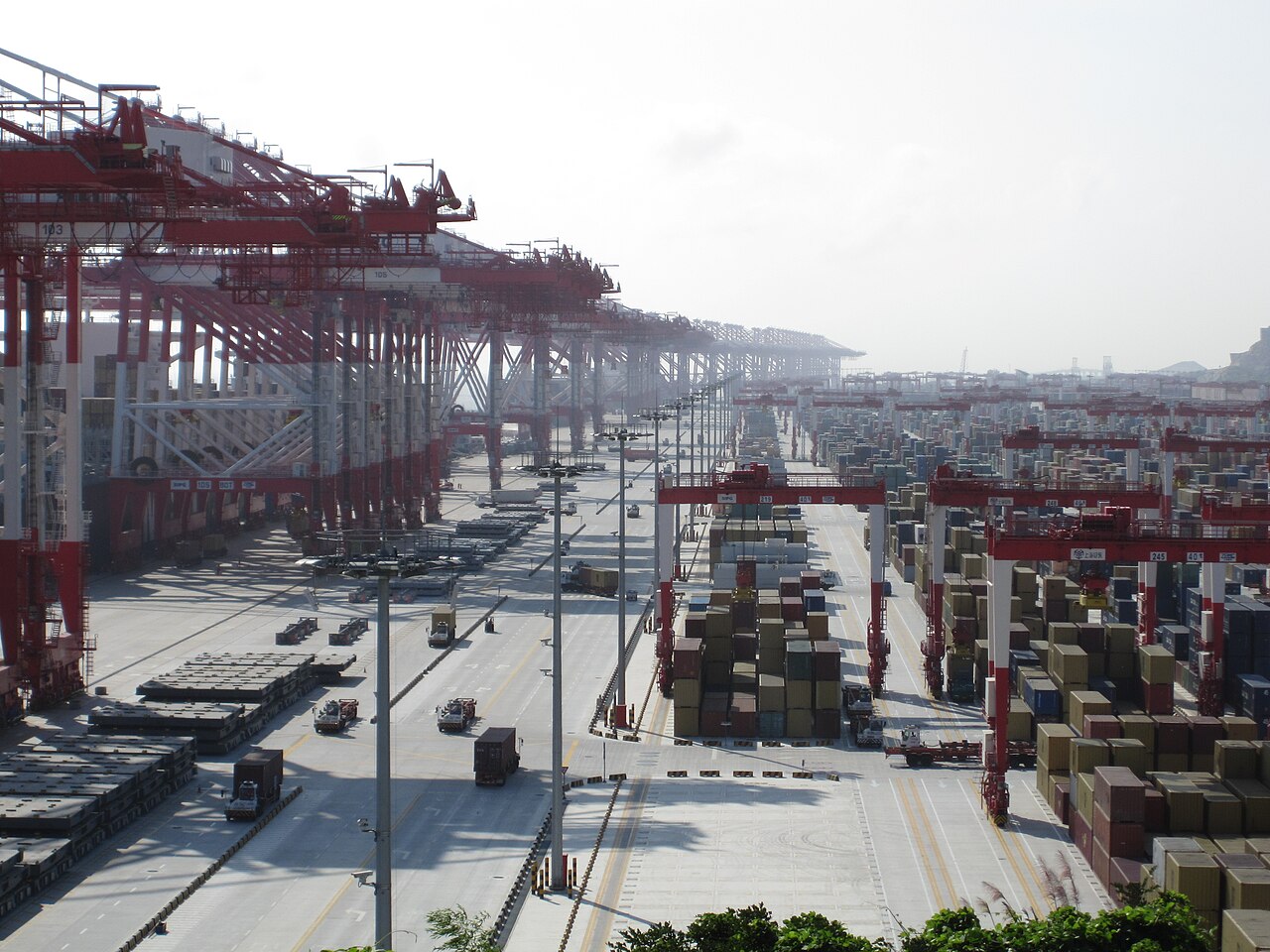
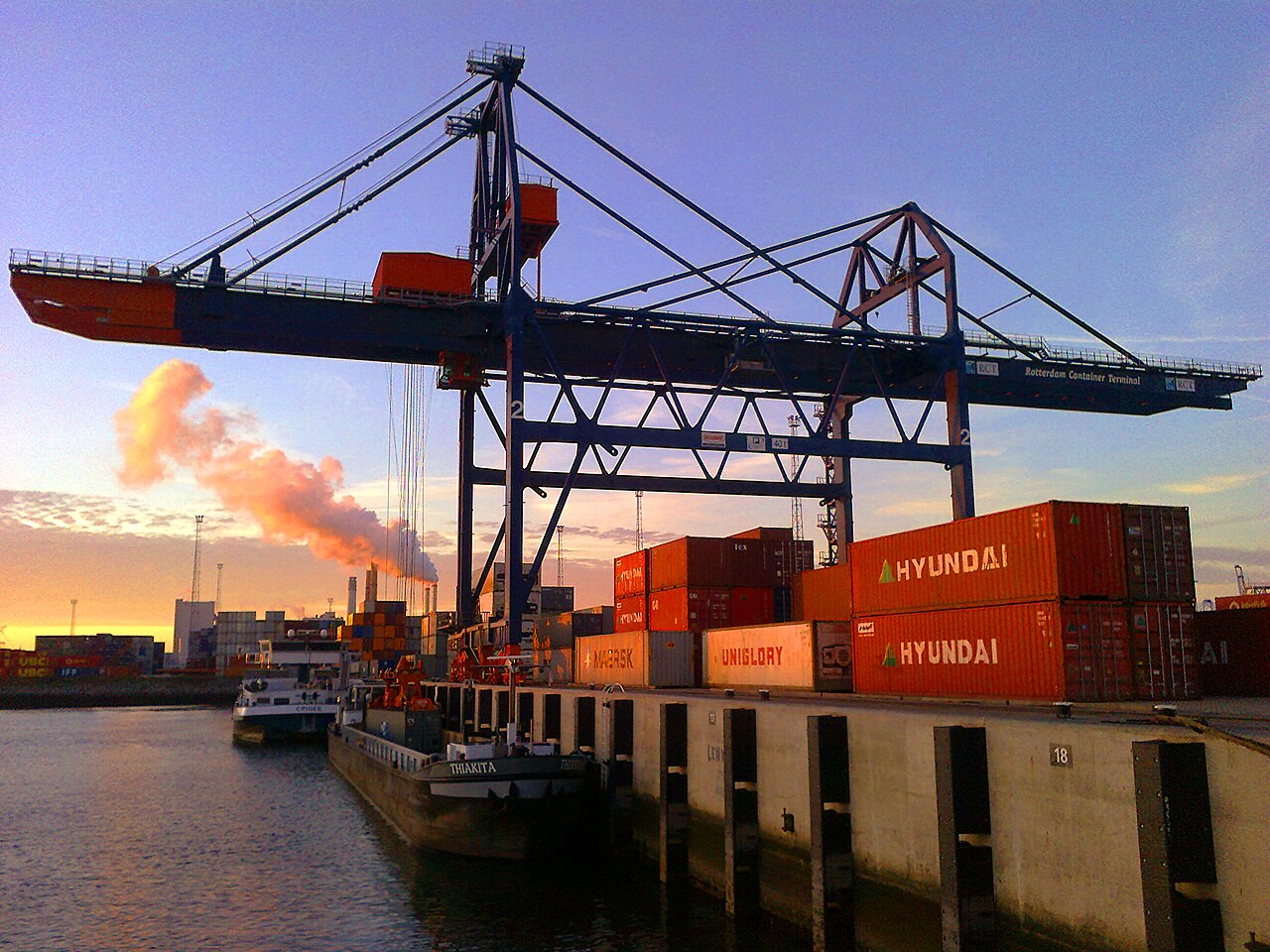
Is economic decoupling from China achievable?

De-risking, friendshoring and decoupling describe different ambitions and get used interchangeably. Institutions disagree on which parts of the relationship can actually be unwound, and what it would cost to try.

+18

23 institutions · 40 publications

VileGecko · CC BY-SA 3.0
03Trade policy and agreements

Are tariffs a legitimate instrument of industrial policy?

Tariffs returned to mainstream economic policy faster than the literature defending them. The argument is whether they build domestic capacity or simply tax the people they are meant to protect.

+17

22 institutions · 40 publications

Diliff · CC BY-SA 3.0
04Security and defence

Can Europe defend itself without the United States?

European defence has rested on American capability for seventy years. The argument now is about how much of it Europe could replace, how quickly, and at what cost. Institutions differ on whether the gap is money, industrial capacity, or command and control.

+15

20 institutions · 40 publications

Artyom Svetlov · CC BY 4.0
06Industrial policy and supply chains

Has industrial policy worked?

The CHIPS Act and the Inflation Reduction Act are the largest deliberate industrial interventions in forty years. Enough time has passed for evidence, and institutions read the same evidence very differently.

+13

18 institutions · 29 publications

CookwareLover · CC BY-SA 4.0
08Renewables and storage

Can Europe compete with Chinese clean technology?

Solar is lost, batteries are going, and wind is contested. Whether Europe should subsidise, protect, or buy cheap and decarbonise faster is the sharpest industrial policy argument in the field.

+11

16 institutions · 33 publications

Oyoyoy · CC BY-SA 3.0
11Sanctions and economic statecraft

Do sanctions change state behaviour?

Sanctions are now the default response to almost everything. The evidence on whether they alter decisions, as opposed to imposing costs, is thinner than the policy consensus suggests.

+10

15 institutions · 33 publications

Σ64 · CC BY 3.0
13Energy security and resources

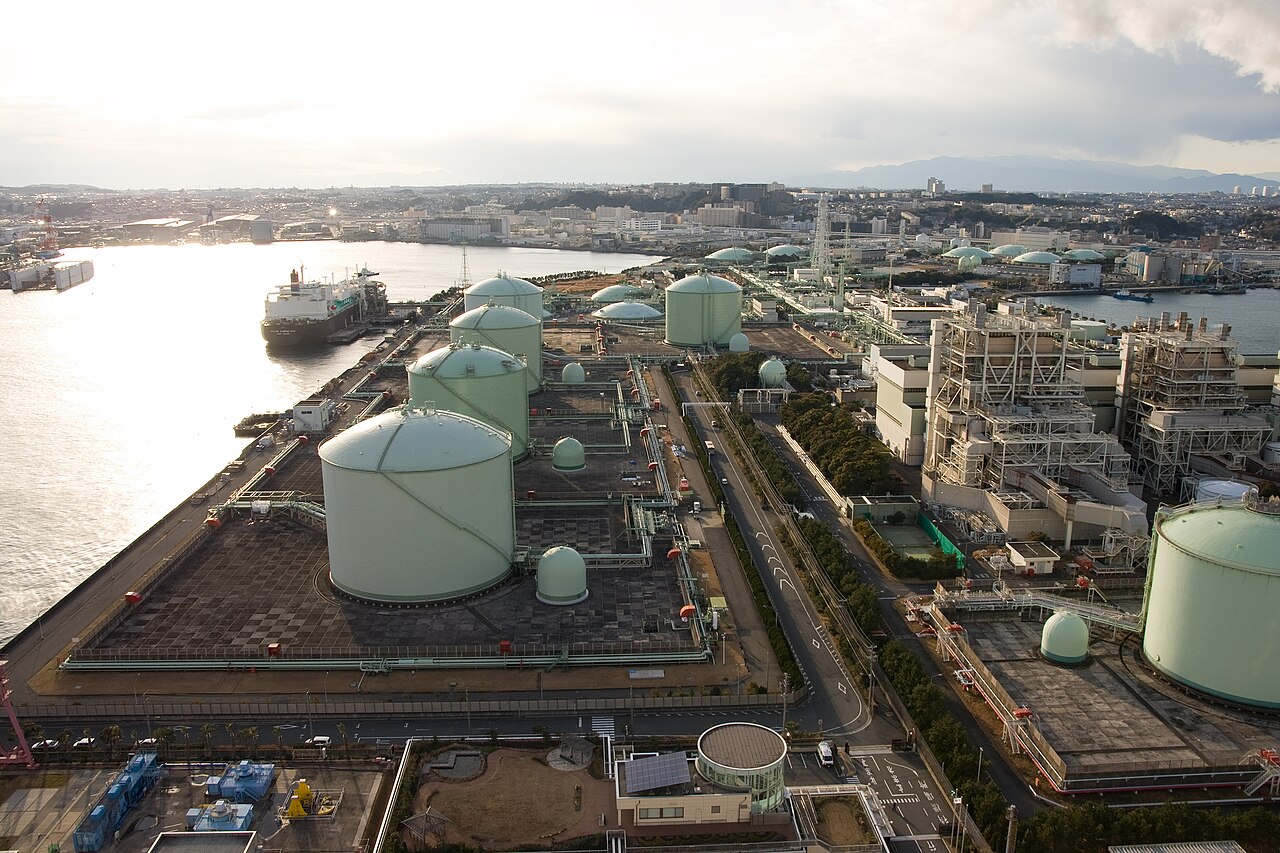
What should replace Russian gas in Europe?

Europe replaced Russian pipeline gas faster than almost anyone forecast. What it should build instead is still open: LNG terminals, renewables and storage, demand reduction, or nuclear, each with a different lock-in.

+9

14 institutions · 30 publications

Lolagpk35 · CC BY-SA 4.0
14Cyber and emerging military technology

What role should AI play in military decisions?

Autonomy in targeting and command is moving faster than the doctrine governing it. The split is between those treating it as a capability race and those treating it as an arms-control problem.

+8

13 institutions · 22 publications

Lowe, Jet · Public domain
15Transport and industrial decarbonisation

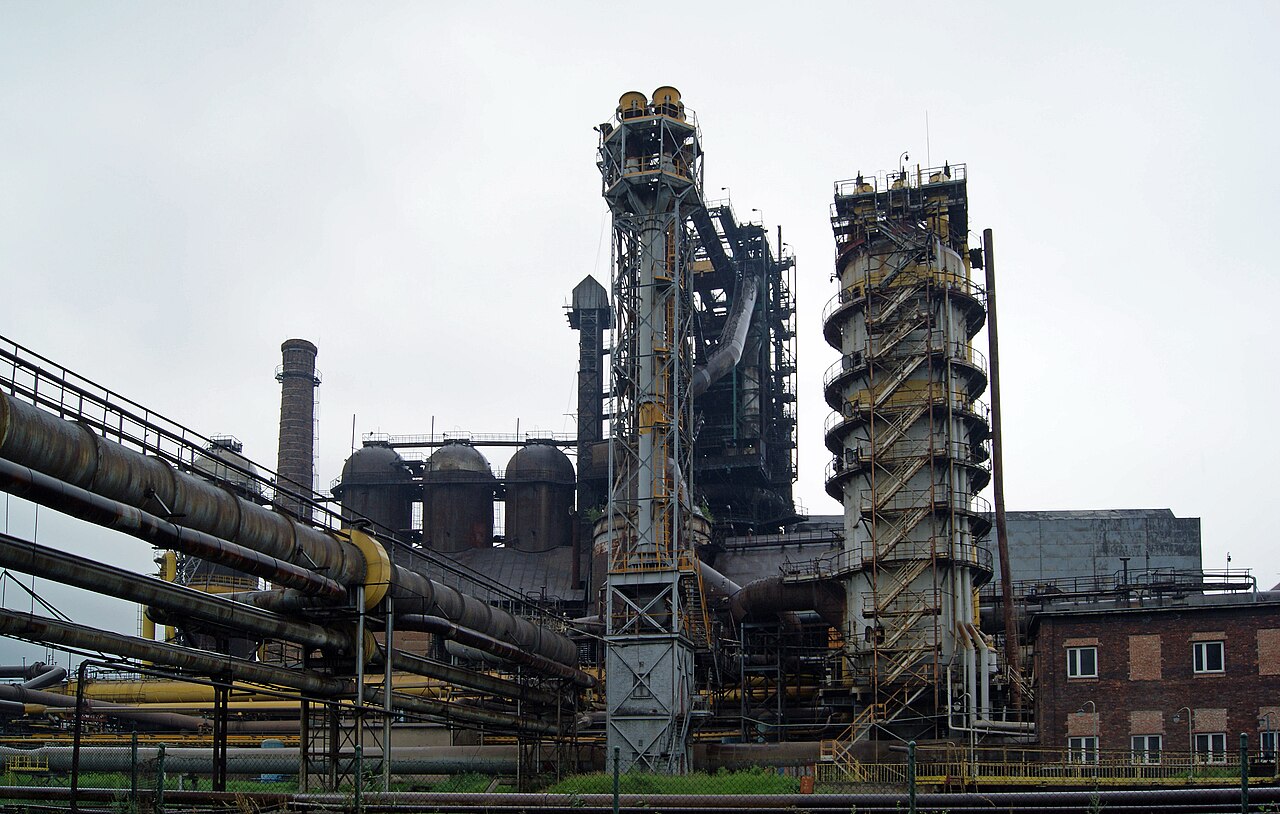
Can hydrogen decarbonise heavy industry?

Steel, cement and chemicals have no easy electrification path. Hydrogen is the leading candidate and the most expensive one, and institutions disagree about how much of the economy it can realistically reach.

+7

12 institutions · 22 publications

Unknown photographer · CC BY-SA 3.0
16Nuclear energy

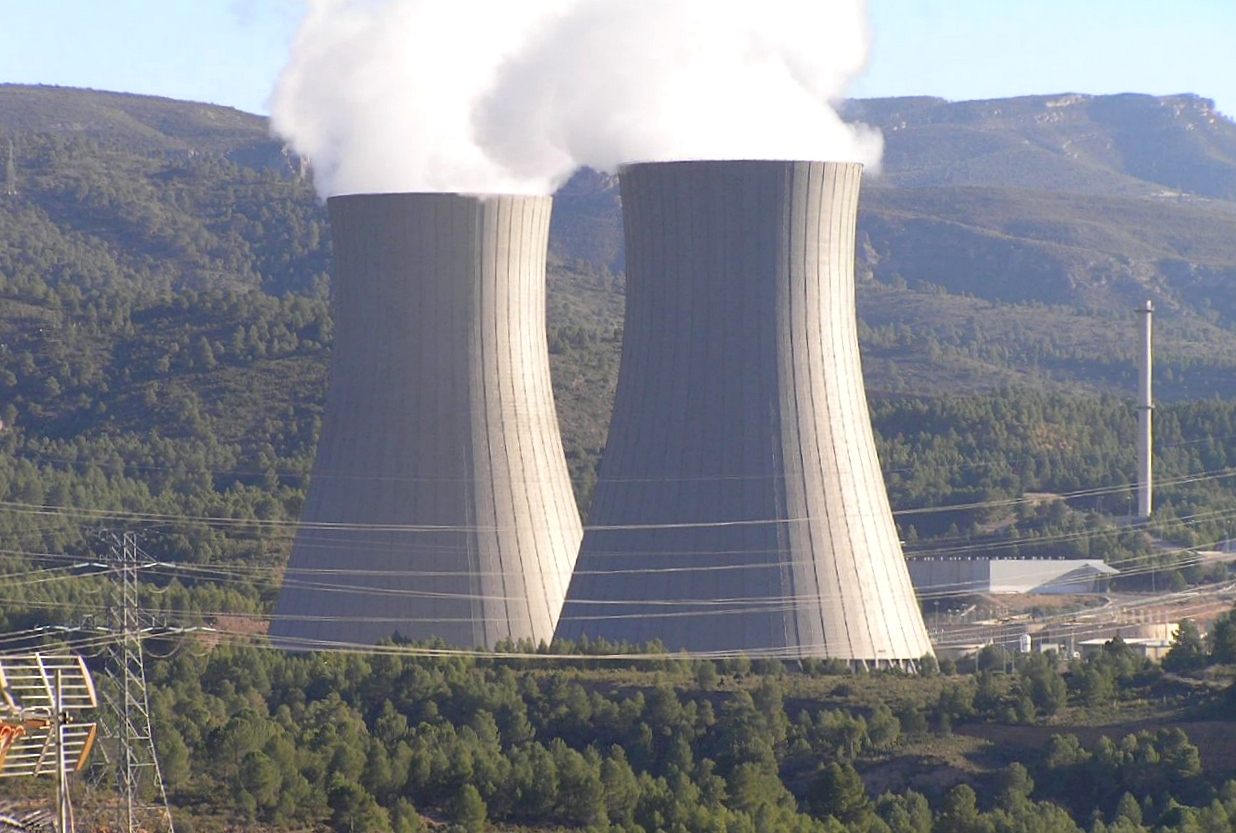
Does the energy transition need new nuclear power?

Firm low-carbon power is the part of a decarbonised grid nobody has cheaply solved. Some institutions treat new nuclear as unavoidable, others as the most expensive way to buy capacity that storage will provide sooner.

+7

12 institutions · 18 publications

Jhi Scott · Public domain
17Defence policy and capability

Is drone warfare shifting the balance to the defence?

Cheap attritable systems have made movement expensive and concealment hard. Whether that favours the defender permanently, or only until counter-drone systems mature, is an open question with large procurement consequences.

+7

12 institutions · 18 publications

Martin Howard · CC BY 2.0
18Climate finance and adaptation

Should rich countries pay for climate damage abroad?

Loss and damage moved from taboo to fund in two years, and almost nothing has been paid. The argument is now about who qualifies, who contributes, and whether it displaces adaptation finance.

+7

12 institutions · 18 publications

Carol M. Highsmith · Public domain
19Development and aid

Is developing-country debt heading for a crisis?

Debt service now exceeds health spending in dozens of countries. Whether this is a liquidity problem that restructuring can solve, or a solvency problem that cannot be, splits the development institutions from the creditors.

+3

8 institutions · 17 publications

Jérémy Toma · CC BY-SA 4.0
20Trade policy and agreements

Is the WTO still fit for purpose?

The appellate body has been dead for years and the largest traders increasingly act outside the rules. Institutions divide between reform, replacement, and accepting a managed-trade world.

+3

8 institutions · 12 publications

IAEA Imagebank · CC BY 2.0
21Climate policy and targets

Is carbon capture worth the money?

Every credible net-zero pathway includes capture, and almost every project has underperformed. Institutions split between treating it as indispensable and treating it as a subsidy for continued extraction.

+1

6 institutions · 15 publications