
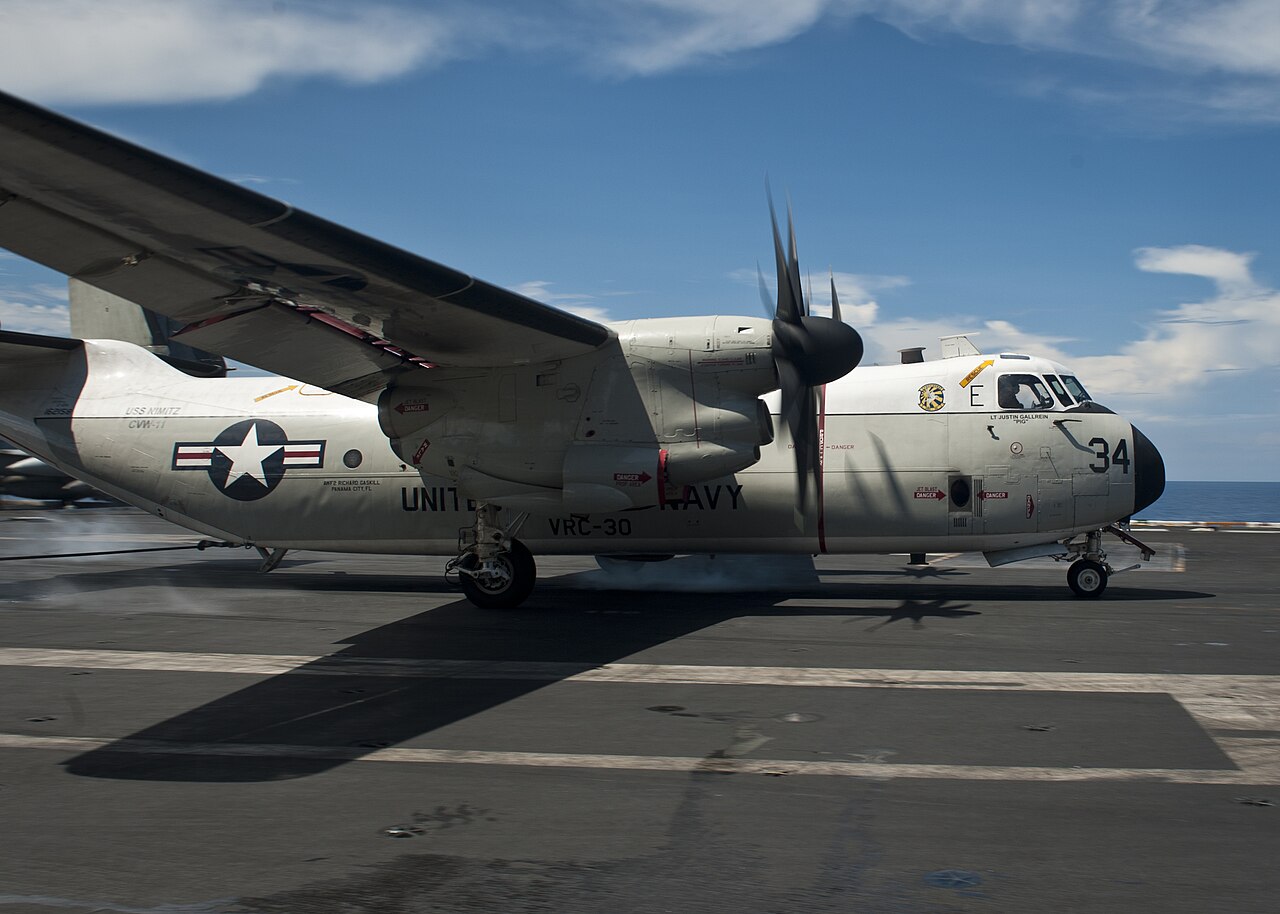
Is the Indo-Pacific the next theatre of great-power conflict?
Taiwan, the South China Sea and the first island chain dominate defence planning in three capitals. Institutions disagree about how imminent the risk is and what deters it.
Grouped by the country the institution sits in, because where it sits shapes what it concludes. Every title links to the institution's own page; nothing is reproduced here.
United States
Foreign Policy Institute

- China says it wants to protect coral reefs in the South China Sea. Experts are doubtful — SAIS Foreign Policy Institute
- Vietnam quiet, firm and resilient in the South China Sea — SAIS Foreign Policy Institute
- From Crisis to Cooperation: A Mediterranean Blueprint for the South China Sea — SAIS Foreign Policy Institute
- Beijing’s marine science diplomacy can calm South China Sea tensions — SAIS Foreign Policy Institute

Institute for China-America Studies
- The Xiangshan Forum and the South China Sea: No Major Escalation but No Lasting Stability - ICAS
- The South China Sea Arbitration Award, A Decade On: Separating Legal Facts From Common Misconceptions - ICAS
- South China Sea Arbitration at 10: State consent, jurisdiction and contested finality - ICAS
- Beyond the victim-coercion narrative in the South China Sea - ICAS






Germany



Australia

Canada

India

Norway

United Kingdom
Belgium

_117_lands_aboard_the_aircraft_carrier_USS_Nimitz_(CVN_68)_in_the_South_China_Sea_May_23,_2013_130523-N-LP801-017.jpg)
Reading the markers
A Yes, No or Both ways appears only where the title itself states a position, in a named construction we can point at — “the case for”, “the myth of”, “the trade-offs of”. Hover it to see the exact phrase.
1 of 40 titles here say that much. The rest carry no marker, because we hold titles and links rather than the articles themselves, and reading a conclusion into a headline would put a position in an institution's mouth that it may never have taken.